
Top-Rated Products For Siding Service Contractors
Browse the most reliable and effective tools and materials that help professionals achieve flawless siding finishes.
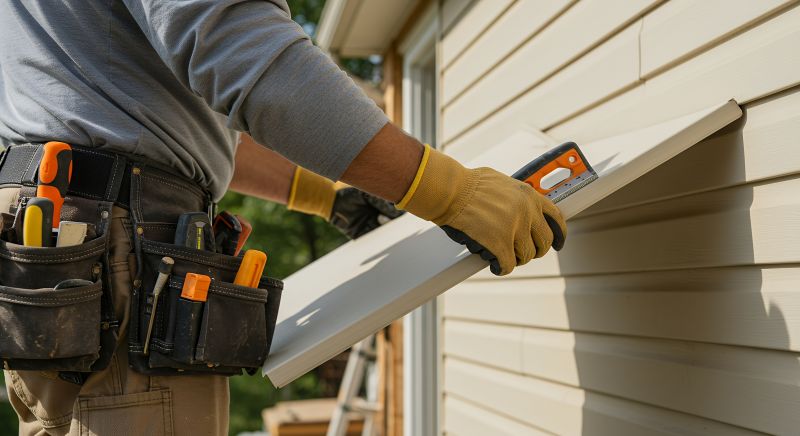 In the realm of siding services, selecting the right products is essential for achieving durable, aesthetically pleasing results. From the initial assessment to the final installation, the variety of materials and tools available can greatly influence the outcome of a siding project. Homeowners and contractors in Seattle, WA, often seek products that withstand the local climate, which includes moisture, temperature fluctuations, and occasional heavy rainfall. Understanding the different product options can help in making informed decisions tailored to specific project needs.
Top Overall Option
Premium Siding Panel System
A versatile and durable siding panel system designed to accommodate various architectural styles and environmental conditions. It offers ease of installation, low maintenance, and resistance to moisture and temperature fluctuations, making it suitable for the diverse climate of Seattle, WA.
Types of Products For Siding Service
Vinyl Siding
A popular choice for its affordability and low maintenance, available in numerous colors and styles.
Fiber Cement Siding
Known for its strength and resistance to pests, fire, and weather conditions.
Wood Siding
Provides a natural aesthetic, with options like cedar and pine, but requires regular upkeep.
Metal Siding
Offers durability and a modern look, suitable for various architectural designs.
Composite Siding
Combines materials for enhanced durability and aesthetic flexibility.
Sealants and Caulks
Used to seal gaps and joints, ensuring weather-tightness and preventing water infiltration.
Fasteners and Nails
Specialized hardware designed for secure attachment of siding materials.
Cleaning and Maintenance Products
Designed to keep siding looking fresh and to prevent mold or mildew buildup.
Insulation Boards
Installed behind siding to improve energy efficiency and moisture control.
Underlayment Materials
Provide a protective layer beneath siding to enhance durability.
Corner Posts and Trims
Finish siding edges and corners for a polished appearance.
Ventilation Products
Help regulate moisture and prevent mold growth behind siding.
Weather Barriers
Protect the structure from water intrusion while allowing vapor escape.
Tools for Siding Installation
Including drills, saws, and levels to facilitate accurate installation.
Siding Adhesives
Assist in securing panels or trims in specific applications.
Decorative Elements
Mouldings and trims that enhance visual appeal.
Popular Choices
Widely used for its affordability and ease of maintenance, available in many styles.
Favored for its durability and resistance to elements common in Seattle.
Chosen for its modern aesthetic and resilience against weather conditions.
Valued for its natural look, though it may require more upkeep.
Popular for combining aesthetic appeal with durability.
Essential for sealing joints and preventing water intrusion.
Critical for secure and long-lasting siding installation.
Help maintain siding appearance and prevent buildup.
Enhance energy efficiency and protect against moisture.
Provide additional protection against Seattle’s rainy climate.
Finish siding edges with a polished look.
Aid in moisture management behind siding.
Essential equipment for professional installation.
Add aesthetic detail to siding projects.
The range of siding products encompasses materials like vinyl, fiber cement, wood, metal, and composite options. Each material offers unique benefits and considerations, such as ease of installation, maintenance requirements, and visual appeal. Complementary tools and accessories—such as sealants, fasteners, and cleaning supplies—are also vital components of a successful siding service. Proper selection and application of these products can enhance the longevity and appearance of the siding, contributing to the overall value of the property.
Considering the local climate of Seattle, WA, it's important to choose products that provide resistance to moisture and temperature changes. Proper installation techniques and quality materials can help prevent issues like warping, cracking, or mold growth. Whether undertaking a new siding installation or a repair project, understanding the available product options and their characteristics can lead to more satisfactory results. Consulting with local suppliers and professionals can further ensure that the selected products meet the specific demands of the Seattle environment.
Key Buying Considerations
- Climate Resistance: Choose products designed to withstand moisture, temperature fluctuations, and rain typical of Seattle, WA.
- Material Durability: Consider the longevity and maintenance needs of different siding materials.
- Aesthetic Compatibility: Select styles and colors that complement your home's architecture and surroundings.
- Ease of Installation: Evaluate whether the product is suitable for DIY projects or requires professional installation.
- Cost and Budget: Balance the initial investment with long-term durability and maintenance expenses.
- Energy Efficiency: Look for products that can improve insulation and reduce energy costs.
- Waterproofing Features: Ensure the siding and accessories provide adequate moisture barriers.
- Compatibility with Existing Structures: Confirm that new siding products integrate well with existing framing and trim.
- Environmental Conditions: Consider local factors such as wind, rain, and temperature extremes.
- Availability of Accessories: Check for compatible sealants, fasteners, and finishing trims.
- Warranty and Support: Review manufacturer warranties and customer support services.
- Environmental Impact: While not a primary focus here, consider products with minimal environmental concerns.
- Maintenance Requirements: Understand the cleaning and upkeep needed to maintain appearance and function.
- Regulatory Compliance: Ensure products meet local building codes and standards.
- Supplier Reputation: Purchase from trusted suppliers with good customer feedback.